Living with the Starray: why I've changed my mind
Back in April I went to the UK launch of the Geely Starray EM-i at Longcross Studios in Surrey, where there was a suitably impressive reveal, some interesting presentations and, thankfully, plenty of coffee. I drove it for around half an hour and came away genuinely impressed by the space, the quality of the cabin and the beautifully smooth hybrid powertrain. It was enough to write a positive first-drive review, but not enough to know what the car would be like once the novelty had worn off.
I've now been spending proper time with the Geely Starray EM-i Max, and that's the version on which this extended review is based. It starts at £32,690 in the UK, has an 18.4kWh battery and an official electric-only range of up to 51 miles WLTP. It's important to be clear about that because the more expensive Ultra has a different, much larger battery. I've also changed my mind about two things I mentioned at the launch. I thought the seats were supportive and the touchscreen looked like it might become frustrating. Having lived with it, I've found almost exactly the opposite.
I've been lucky enough to drive quite a few of the Chinese cars arriving in the UK, including offerings from BYD, Jaecoo, Chery, Leapmotor and Geely. Many look fantastic in the showroom and come with an almost ridiculous amount of technology, but it takes more than a specification sheet to make a good car. With the Starray, I've actually discovered more to like the longer I've used it, and I don't entirely agree with some of the published criticisms of its ride and infotainment.
Which car have I actually been driving?
My car is the front-wheel-drive Starray EM-i Max, which uses a naturally aspirated 1.5-litre petrol engine and an electric motor to produce a combined 262 PS and 262 Nm. It does 0–62mph in a claimed eight seconds and has a 105mph top speed. The Max has a published kerb weight of 1,770kg, 19-inch alloy wheels with 235/50 R19 tyres and a 528-litre boot, which expands to 2,065 litres with the back seats down.
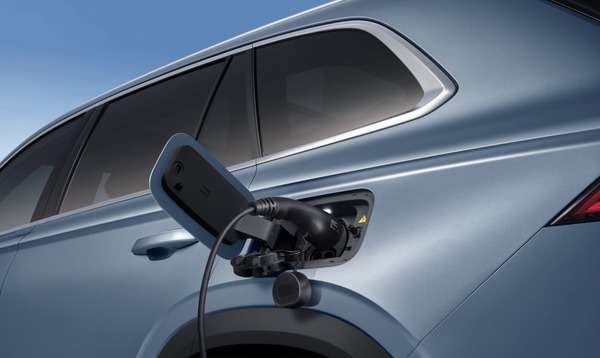
The Max's official 51-mile WLTP electric range comes from an 18.4kWh LFP battery, with charging at up to 6.6kW AC or 30kW DC. It has the equipment I particularly appreciate, including a 13.8-inch head-up display, opening panoramic roof, powered tailgate, ambient lighting, driver-seat ventilation and memory, and the excellent 16-speaker Flyme Sound stereo. Manufacturer figures are useful for comparison, but they aren't the same as my own recorded fuel economy or electric range, which I haven't measured consistently enough to quote.
Design: I'm rather fond of the green
Some reviews describe the Starray as a little anonymous. I can see where they're coming from, but I actually rather like it. The front end is neat, the LED lighting is slim, the shape is well proportioned and it doesn't resort to an enormous fake grille or overly dramatic detailing to get noticed. The green paintwork on the one I've been driving suits it beautifully, and I'd happily choose that over another shade of grey.
It's a substantial family SUV, measuring 4,740mm long, 1,905mm wide and 1,685mm tall, with a 2,755mm wheelbase. It feels properly spacious without looking unnecessarily cumbersome. Geely quotes a drag coefficient of 0.288 Cd following considerable aerodynamic development, which should help with efficiency and wind noise. The Starray certainly feels settled and pleasantly quiet at motorway speed, even though the way it looks will always be a matter of taste.
The interior: genuinely my favourite among the Chinese SUVs I've driven
I'm going to make quite a bold claim: of the Chinese cars I've spent time with, I think the Starray has the best interior. The layout feels thoughtful, the dashboard is clean, the materials are attractive and the technology is presented in a way that I actually enjoy using. Some rival interiors are impressively theatrical but slightly exhausting in daily use. The Geely feels more grown-up and cohesive, and it gives the impression of a much more expensive car.
The elevated driving position provides a good view out, and I like the amount of space around the centre console. The 15.4-inch central touchscreen looks crisp, the 10.2-inch digital instrument cluster is clear and the Max's head-up display is another welcome touch. Add 256-colour ambient lighting and the glass roof, and it's a particularly pleasant cabin at night. I wish every manufacturer put this much thought into how the various displays and materials work together, although there's an important exception to my praise.
The driver's seat is the one thing I really wish Geely would change
Despite loving the cabin, I still can't get entirely comfortable in the driver's seat, and that's my biggest criticism of the car. The Max has an electrically adjustable driver's seat with heating, ventilation and memory, but there's no adjustable lumbar support and no separate seat-base angle adjustment. I'm around 5ft 11in and like to raise the front of the cushion a little to support my thighs and the backs of my knees. I simply can't get that support in the Starray.
It's become something of a recurring issue in several Chinese cars I've driven. Manufacturers will happily include enormous displays, sophisticated lighting and a whole collection of powered features, yet overlook the ability to tilt the seat base. The Geely EX5 had a similar omission, although I liked those seats more, and I also struggled with the Jaecoo 7 SHS over longer journeys. The irony with the Starray is that the suspension itself is excellent. The car is comfortable, but my particular seating position isn't.
Seat comfort is highly personal, and I know plenty of people may find these seats absolutely fine. My advice is to spend more than a few minutes in one before ordering. I thought they were supportive during my first 30-minute drive in April, so I'm living proof of why a longer test matters.
Flyme Sound: a stereo that's finally loud enough for a proper singalong
Now for something I absolutely love. The 16-speaker, 1,000W Flyme Sound system fitted to the Max is fantastic, with good clarity, a rich bass response and plenty of actual power. It even has speakers in the driver's headrest and several listening modes, although I've mostly been concentrating on the important job of enjoying my music. If you enjoy a decent sound system, I'd strongly recommend giving this one a proper listen.
I'm rather partial to singing along to cheesy tunes, and the Starray has been brilliant for that. I've had some thoroughly enjoyable drives around Brighton, including along the seafront, with the music playing and me doing a probably questionable impression of whoever happened to be singing. The beauty of the Geely is that it's so quiet in normal hybrid driving that there's hardly any engine noise competing with the stereo. I'm sure other drivers appreciate the windows being closed when I'm singing.
There's also a bonus I don't think people talk about enough. You can actually turn it up properly loud. I've driven several other Chinese cars where the stereo seems to hit its maximum volume while you can still comfortably talk over it. In the Starray, there is genuinely plenty of volume available, with a satisfying amount of punch rather than a flat, feeble sound. Naturally, keep it sensible enough to hear what's happening around you, but it's a joy having an audio system with some headroom. For clarity, Flyme Auto is the infotainment platform and Flyme Sound is the premium audio system.
Screens and usability: I've completely changed my mind
I was rather suspicious of the 15.4-inch touchscreen when I first encountered it. After spending proper time with it, I think it's one of the better systems in this category. It's extremely responsive, the menus are logical and a row of shortcuts remains accessible along the bottom, even when wireless Apple CarPlay is running. That means I'm not constantly having to leave the phone interface just to get to everyday car settings, which is a welcome change from some rivals.
The climate controls do temporarily take over the full display, but there's a quick route back into CarPlay. It's not perfect, because I sometimes end up back in Apple Music rather than the exact screen I was using, but it is far less fiddly than systems that make you work through several menus. I also like the amount of personalisation available, including custom backgrounds, display themes and configurable settings.
Quick Drive Setup deserves special praise. It lets you save a combination of selectable driving and assistance preferences, including hybrid mode, regeneration and certain warning settings, then activate them quickly. If you've driven cars that bong at you every time they think you've done something remotely interesting, you'll appreciate the convenience. I want useful safety systems to remain available, but I don't need unnecessary noises constantly interrupting an otherwise relaxed journey.
Where the technology still needs work
The indicator-activated camera is a great idea with an irritating implementation. When you signal, a camera view helps show the space beside the car, but it can take over the entire central screen and kick me out of Apple CarPlay. Worse, after indicating it doesn't reliably restore the navigation page I was using, and I've occasionally ended up on the Geely home screen instead. That's annoying at a complicated junction when I want to see where I'm going. Please give us a smaller pop-up or return to the exact previous screen automatically.
I've also been unable to get Google Maps turn-by-turn directions through CarPlay into the digital driver display or head-up display. Other navigation apps or software versions may behave differently, but it's a shame not to make better use of the hardware. The column gear selector is a tidy arrangement that frees up centre-console space, although I've occasionally had to repeat a Drive or Reverse selection after stopping completely, particularly during three-point turns. It's a little detail that becomes noticeable when traffic is approaching and you want the manoeuvre to be quick and predictable.
The panoramic roof really opens, which I love, but operating the roof and its blind requires the touchscreen or voice control instead of an obvious overhead switch. Even the interior light buttons were difficult to find initially, because the black-on-black panel disguises them rather well. On the more amusing side, there's a Camping mode, customisable display backgrounds and a choice of low-speed pedestrian sounds, one of which rather reminded me of an ice-cream van.
Refinement and ride: better than several reviews suggest
The Starray is beautifully smooth in ordinary use. Its petrol engine and electric motor work together so seamlessly that you often barely notice when the engine is running. On a recent drive I realised that the ventilation fans were louder than the petrol engine, which says a lot about how refined the car is at everyday speeds. It feels responsive when you need to move into a gap, yet generally relaxed rather than over-eager once you're cruising.
Ask for maximum acceleration and the petrol engine becomes more vocal, so I understand why some reviewers have criticised it under load. I just don't think that tells you much about the way a family SUV will be used most of the time. At normal speeds I find it exceptionally civilised, and I particularly enjoy how smoothly it switches between electric and petrol assistance.
Several launch reviews have also criticised the suspension, but I have to disagree. I've found it absorbs bumps beautifully while keeping the body nicely controlled, and I rather like the balance Geely has achieved. The steering is light and it's no sports car, but it feels composed and very easy to drive. I've previously spent around 600 miles in a Jaecoo 7 SHS and found that much bouncier at speed, with a less reassuring feel in quicker bends. The Starray is noticeably better to my mind, even if the driver's seat prevents me from being quite as comfortable as the suspension deserves.
The unexpected wheelspin when pulling away
One issue I keep noticing is how easily the front wheels can spin when setting off on damp roads. I'm not talking about deliberately planting my foot; on a few occasions I've felt like an accidental boy racer when I've simply been trying to leave a junction. The immediate response from the electric motor appears to give the front tyres rather a lot to manage, and I'd like Geely to smooth out that first part of the throttle response.
I'd want to check the make, model, condition and pressures of the tyres on this particular car before blaming the rubber. We know the published Max tyre size is 235/50 R19, but that alone can't tell us whether the issue is tyre grip, calibration or a combination of factors. Once moving, I haven't had the same concern about general stability. It's that initial pull-away behaviour I'd like to see refined.
Range, charging and what a plug-in hybrid actually saves
The Max uses an 18.4kWh LFP battery and has up to 51 miles of official WLTP electric range. You can select Pure, Hybrid or Power operation where the battery and conditions allow, and adjust regenerative braking. I like Hybrid for normal driving because the car manages itself so smoothly. Once the displayed battery charge reached its operating reserve, Pure wasn't available, but the vehicle continued to drive pleasantly as a hybrid.
The manufacturer quotes 2.4 litres per 100km for the Max on the WLTP weighted combined cycle. That calculation takes account of electric miles after plugging in, so it isn't the mpg figure you can expect if you spend all day on the motorway without recharging. I've not kept a complete fuel-and-electricity log during this loan and won't present an unverified number as my own result. If you can charge at home or work and your regular trips fit the electric range, it's a very appealing arrangement. If you never plug it in, you're missing much of the point.
Geely quotes up to 6.6kW AC charging for the Max and up to 30kW DC, with approximately three hours for a 25–100% AC charge on suitable equipment or 20 minutes for a 30–80% DC charge. Public charging can cost considerably more than electricity at home, so you should compare tariffs rather than assume rapid charging is automatically cheaper than petrol. I particularly like the flexibility of being able to drive electrically most days and still use the petrol engine for longer journeys without organising life around public chargers.
Rear seats, boot and everyday practicality
The back of the Starray is absolutely enormous. There is loads of legroom, good headroom and a sense of airiness that makes it a lovely place for passengers. With a 2,755mm wheelbase, Geely has put space where it really matters, and even adults sitting behind taller adults should have plenty of room. Families using child seats will appreciate the space, although I'd always recommend checking your actual seats rather than relying on published measurements.
The boot is equally useful, with 528 litres behind the rear seats and 2,065 litres when they're folded. The Max has a powered tailgate, and the opening is practical for suitcases, shopping and the usual ridiculous amount of luggage that appears when someone says they're going away for just a weekend. Inside there are plenty of cubbies and places for everyday clutter. I can easily imagine becoming the designated airport-run driver if I owned one.
One caveat for anyone needing to tow: Geely's current published UK specification does not list a towing capacity for the Max, while it lists 750kg for the Ultra. Don't assume the entire range has the same approved capability. Check the exact derivative with a dealer before planning to attach a trailer.
Safety, driver assistance and long-term confidence
The Starray has a five-star Euro NCAP rating, including 90% for adult occupant protection, 87% for child occupants, 86% for vulnerable road users and 77% for safety assistance. It also has seven airbags and an extensive set of driver assistance functions, including automatic emergency braking, adaptive cruise and lane keeping support. I've been impressed with how accurate and generally well behaved the systems have been in daily driving. They are assistance systems, of course, and don't replace an attentive driver.
Geely is a relatively new retail name for many UK buyers, but the wider automotive group has substantial engineering experience. Even so, it's too early to make confident claims about long-term Starray reliability or resale values in Britain. The published eight-year or 125,000-mile vehicle warranty is reassuring, subject to its terms, and I'd also check the nearest dealer, insurance costs and servicing arrangements. Anyone considering leasing should compare the total cost and terms rather than assuming an inexpensive headline monthly rental tells the whole story.
Pro, Max or Ultra: where I'd spend the money
The Pro starts at £29,990 and offers the same 51-mile official electric range as the £32,690 Max. The Max is the car I've been driving, and I think the additional equipment makes it a lovely place to spend time: the opening panoramic roof, head-up display, powered tailgate, ambient lighting and Flyme Sound system are features I genuinely use and enjoy. If you're choosing mainly on cabin quality and equipment, the Max could be the sweet spot.
The Ultra is £34,990, just £2,300 above the Max, and adds a larger 29.8kWh battery, up to 84 miles WLTP electric range and 60kW DC charging. I haven't driven that version for this review, but it's worth considering if you can make the most of its range. The official CO₂ figures also make for an interesting company-car tax comparison: the Max is published at 54g/km and indicates a 17% Benefit-in-Kind band for 2026/27, whereas the Ultra's 32g/km and 84-mile electric range indicate a 7% band. The actual taxable calculation depends on the final vehicle specification, list price and HMRC rules, so get a proper quote rather than relying only on those percentages.
The rivals: where I think the Starray fits
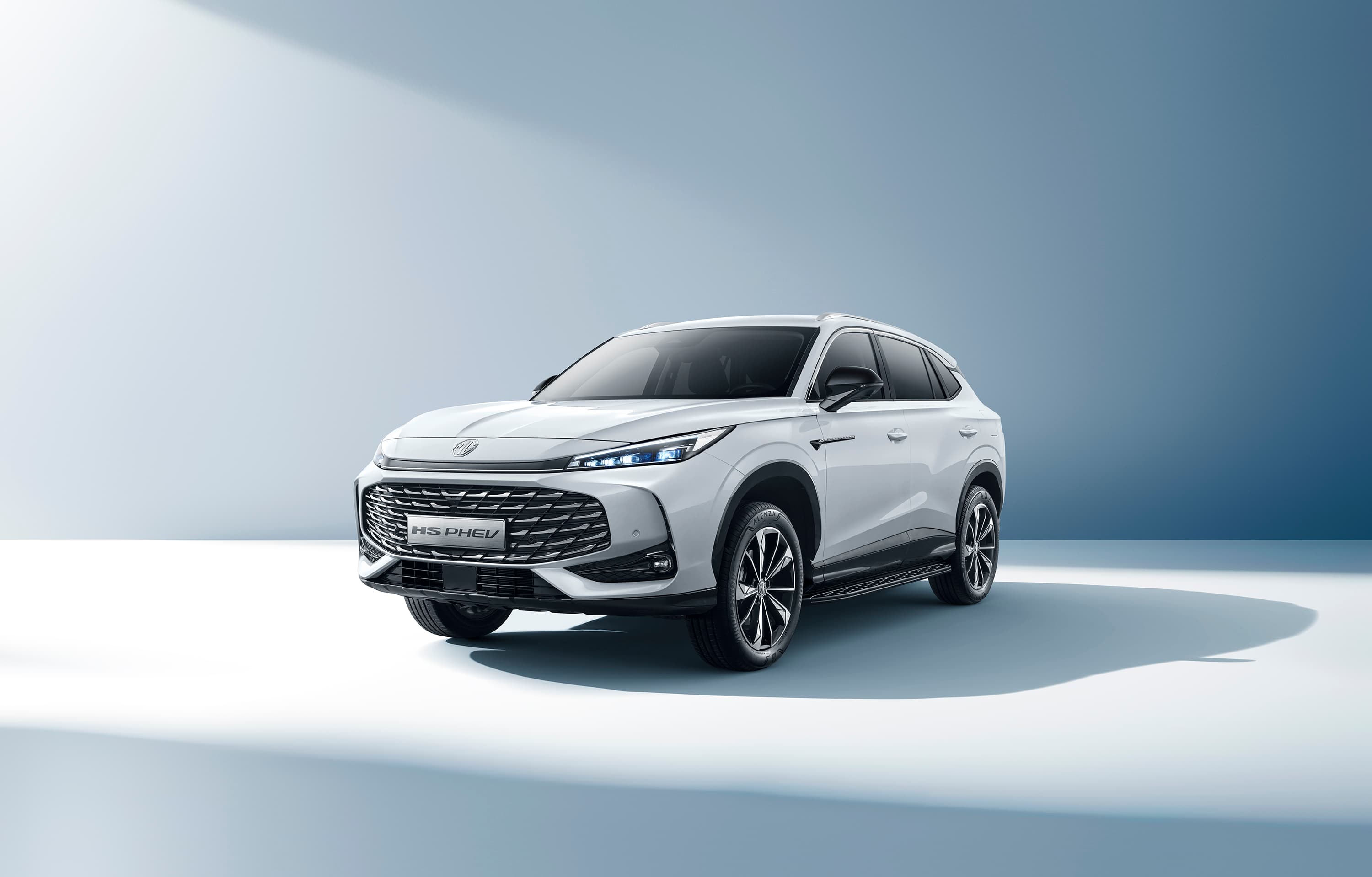
This is a fiercely competitive part of the market. The MG HS PHEV is a genuine contender, with up to 75 miles WLTP electric range and a 530-litre boot. The Chery Tiggo 7 Super Hybrid is another strong-value proposition with up to 56 miles WLTP and a claimed 565-litre boot. The BYD Sealion 5 DM-i starts at almost exactly the same price as the Starray Pro, but the longer-range Design claims up to 53 electric miles and has a smaller 463-litre boot. I'd want comparable extended drives before claiming the Geely beats each of them dynamically.
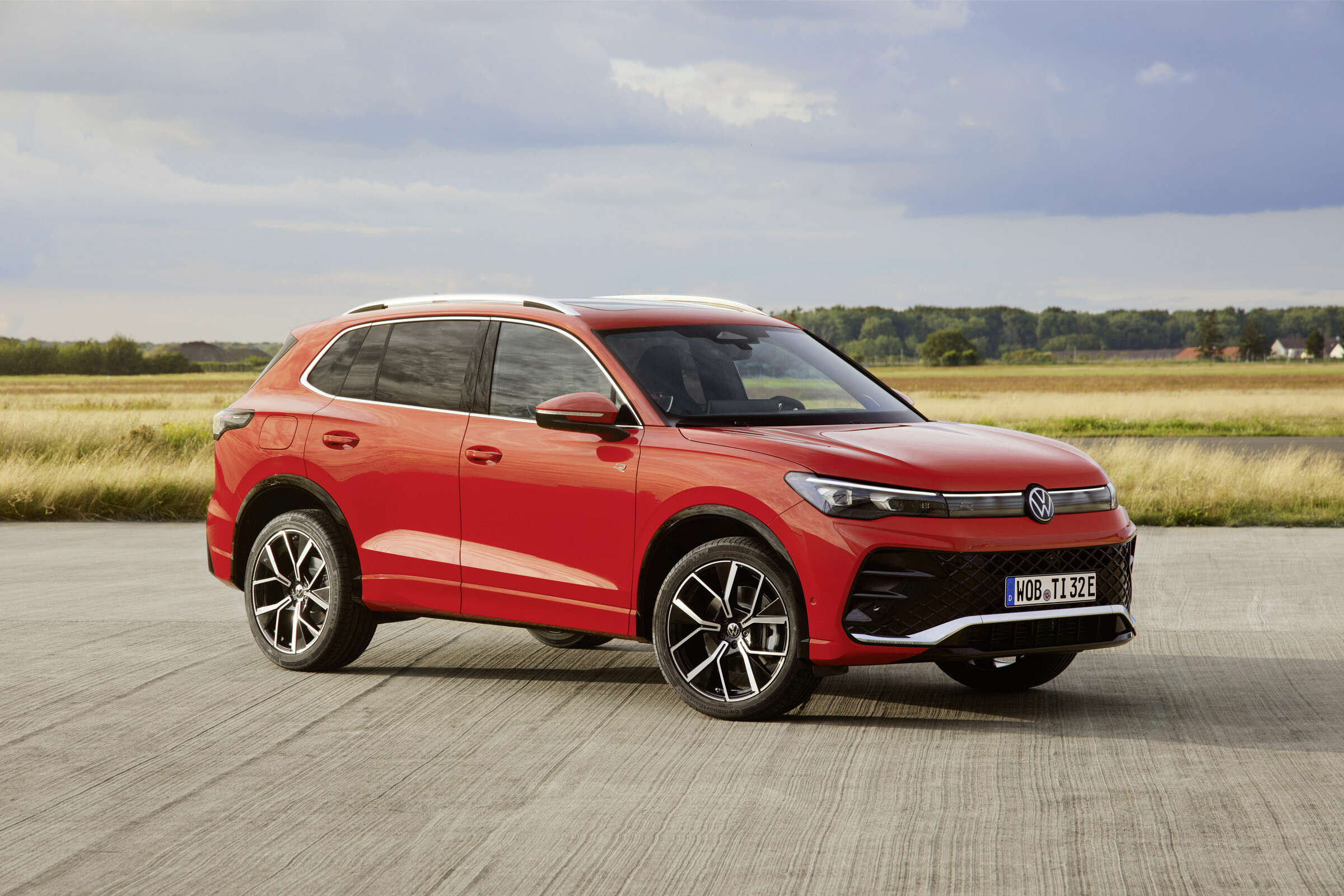
The BYD Seal U DM-i Comfort offers up to 77 miles WLTP electric range, while the Volkswagen Tiguan eHybrid has approximately 72–75 miles depending on specification and the benefit of an established dealer network. The Leapmotor C10 REEV uses a petrol generator to support electric drive rather than working exactly like the Starray's conventional PHEV arrangement, making it an interesting alternative for those who want more of an EV-like feel. Each has a legitimate argument, and it's worth thinking about your charging routine and the type of journey you actually do.
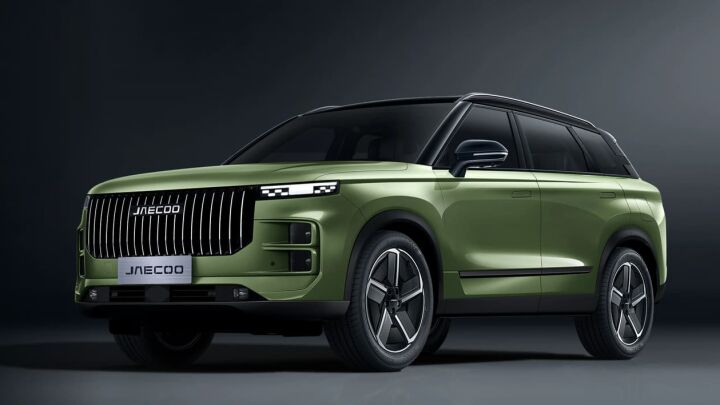
The one I can compare most confidently is the Jaecoo 7 SHS. I spent around 600 miles with it and admired its efficiency and distinctive appearance, but didn't enjoy its bouncy ride, seat comfort or some of its climate and screen behaviour. I would choose the Geely Max without much hesitation. Jaecoo has announced an updated Luxury+ model with longer electric range and revised assistance systems for 2027, so it wouldn't be fair to pretend the older version tells us everything about the updated car.
There's also the fully electric Leapmotor B10, which isn't a direct plug-in hybrid rival but is one of the more interesting value-led SUVs I've driven. If I had no need for petrol backup, the choice between that and the Starray would be surprisingly tough. Both are impressive examples of how quickly these manufacturers have improved, although I'd still like them to offer better seat adjustments.
Verdict: I really do like living with the Geely Starray EM-i Max
I came away from the April launch thinking the Starray was a promising family SUV, and living with the Max has made me even more positive. The hybrid system is wonderfully smooth, the ride is excellent, the rear cabin is cavernous and the interior is my favourite of the Chinese cars I've driven. Then there's the Flyme Sound system, which has made a few journeys around Brighton enormously entertaining. Anyone who has heard me singing along to cheesy tunes will understand why I have such a soft spot for this car.
It's not all perfect, and I wouldn't want to gloss over the shortcomings. The driver's seat needs better lumbar and thigh support, the front wheels can lose grip too readily when setting off on damp roads, and the indicator camera needs to stop hijacking CarPlay. The gear selector and navigation integration could be more polished as well. Those are precisely the frustrations you discover when you get past an impressive first drive and start using a car as part of normal life.
Would I recommend the Geely Starray EM-i Max? Absolutely. I think it's one of the more convincing, well-equipped family plug-in hybrid SUVs around, and I'd choose it over the Jaecoo 7 SHS I previously tested. If I were ordering, I'd compare the Max carefully with the Ultra, especially if I could charge frequently or would be paying company-car tax. But whatever version you're considering, take it for a proper drive and spend time adjusting the seats. The car is a delight on the road, and the last thing you want is for a beautiful interior to be let down by the place you're actually sitting.
Related reviews and official information
Read my Jaecoo 7 SHS review, Leapmotor B10 review, Geely EX5 review and Chery Tiggo 7 first look. The manufacturer's UK specifications are available from Geely Auto UK, and the 2026/27 company-car tax bands from HMRC.